UAE Plastic Extrusion Guide: How to Fix Blown Film Machine Melt Fracture
Operating a high-performance blown film machine in the UAE or Gulf region requires perfect control over polymer rheology, especially when running premium linear low-density polyethylene (LLDPE) blends for heavy-duty bags. Among all surface defects, melt fracture—which typically shows up as a sharkskin texture or a matte, dull finish on the film—is a highly problematic issue for Middle Eastern factories. When your film suffers from melt fracture, it loses its optical clarity, exhibits poor heat-sealability, and suffers from compromised tensile strength. To help you eliminate this costly defect, let us look directly at how to fix melt fracture by optimizing your die temperatures, extrusion shear stress, and polymer processing aids step-by-step.
Step-by-Step Guide: How to Fix Sharkskin and Melt Fracture
The first lever to pull is the die temperature profile. If the fracture is localized—mainly at the die exit—raising the die lip zone and the final adapter zones by 5°C to 10°C, in steps, is usually the quickest remedy. A hotter die face lowers the melt’s viscosity right where it peels off the steel, which brings the shear stress at the exit down. Give the heavy die steel time to heat-soak completely—fifteen minutes or so—before judging whether the matte surface has cleared up. And keep an eye on the upper end of that range: pushing LLDPE too hot can cause smoking and degradation that bring their own surface problems.
Where melt fracture runs deeper, you can often fix it without changing the resin formulation. Ease the screw speed of your extruder down a little—that lowers the internal head pressure and slows the melt as it passes through the narrow die gap. If output still falls short, you can mechanically widen the die gap using the adjustment bolts, giving the melt a wider channel and relieving the shear rate at the exit. Just be aware that widening the gap also changes the film gauge and can affect bubble stability, so adjust in small steps and re-check the film before going further.
On high-output lines where cutting production speed is not an option, chemical additives are the practical answer. Adding 0.5% to 1% of a fluoroelastomer-based polymer processing aid (PPA) masterbatch to the feed coats the inner die lips with a thin, low-friction layer that lets the melt slip out of the exit zone more smoothly. If you are operating a multi-layer line, you can keep costs down by dosing the PPA into the outer skin layers only—that’s enough to give the film a clean gloss finish without spending on every layer.
Process Troubleshooting Matrix for Melt Fracture
Use this quick-action reference guide to apply direct thermal, mechanical, and chemical remedies to your factory floor.
| Blown Film Machine Defect |
Direct Fixes & Process Remedies |
Immediate Operational Action |
| Severe Matte Surface / Sharkskin |
Increase die lip and die adapter zone temperatures by 5°C to 10°C. |
Raise thermal settings on the die block to lower polymer melt viscosity. |
| High Die Pressure Melt Fracture |
Decrease screw RPM slightly or mechanically widen the die lip gap clearance. |
Lower output velocity to reduce shear stress at the final die exit point. |
| Persistent LLDPE Roughness |
Integrate a high-grade Polymer Processing Aid (PPA) into the material blend. |
Feed PPA fluoropolymer masterbatch to create a lubricating dynamic on die steel. |
| Intermittent / Rough Film Streaks |
Clean any carbonized degradation or gel blockages off the die lip face. |
Use copper gauze or brass tools to purge accumulation from the die gap perimeter. |
Pro-Tips for Maintaining Flawless Surface Clarity
For long-term surface quality on your blown film extrusion machine, build die lip cleaning into your weekly production changeovers. Clean the die lips thoroughly using brass scrapers or specialized purging compounds every week; built-up degradation or carbonized polymer at the die exit alters the flow geometry and triggers sharkskin earlier than it should.
If you are looking for a more permanent fix, die head geometry matters more than any day-to-day adjustment. Modern die heads with optimized flow channels and chrome-plated interior surfaces reduce internal flow stagnation and pressure accumulation, which helps keep optical clarity on tough, fractional-melt resin grades even under high-speed conditions. It’s an upgrade decision rather than an overnight fix, but on lines that fight sharkskin constantly, it often makes the difference.
Upgrade Your Factory with a High-Performance Blown Film Machine
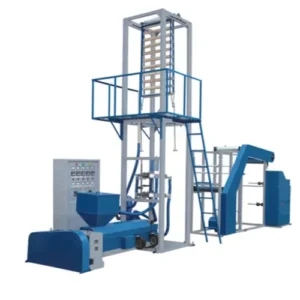
Our blown film machines are engineered with advanced rheological optimization, so they can handle high-shear resins without sacrificing film surface aesthetics or mechanical integrity. Precision-machined die heads, chrome-plated melt channels, and integrated automated dosing setups help deliver high-gloss, smooth film rolls even during peak summer production schedules.
If you want to get melt fracture under control, maximize your line throughput, and invest in a reliable co-extrusion blown film machine built for the Middle East market, our technical engineering team would be glad to discuss a setup tailored to your line. Contact us today for a custom machinery consultation.