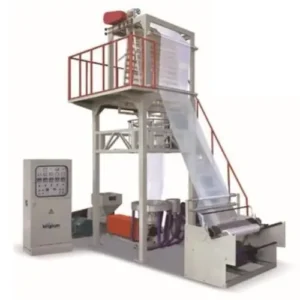
UAE Plastic Production Guide: How to Fix Blown Film Machine Wrinkles During Winding
Running a high-speed blown film machine in the UAE or Gulf packaging market leaves no room for winding errors, especially when delivering film rolls to automatic high-speed converting lines in Dubai or Sharjah. Among the most frustrating mechanical issues that plant operators face daily is film wrinkling at the winder or nip rolls. When your film develops wrinkles during collapse or rewind, the entire roll becomes unusable for printing or bag-making, forcing you to scrap perfectly good polymer. To protect your factory output and cut this waste, let us walk directly through the physical operational steps required to fix film wrinkles by adjusting your collapsing frame, balancing your nip rolls, and alignment troubleshooting.
Step-by-Step Guide: How to Fix Winding Wrinkles
Start with the collapsing frame. Before touching any adjustment, look at the film and decide which kind of wrinkle you are dealing with. Center wrinkles — slack running down the middle of the lay-flat — usually mean the bubble is being flattened too fast, or the layflat width is set wider than the film actually is; easing the collapsing angle to give a gentler transition from the round bubble to the flat tube, or trimming the layflat width, relieves the excess material gathering in the middle. Edge wrinkles or corrugations point the other way: the film is loose at the sides, and pulling the collapsing angle up a little to take the edges taut usually clears them. Whichever way you go, check the frame’s wood slats or carbon rollers too — they need to be smooth and symmetrical on both sides, since a worn or uneven surface sets up its own wrinkles no matter how you set the angle.
Next, the nip rolls. If the wrinkles wander to one side, uneven clamping is a likely cause: check the pneumatic cylinder pressure at both ends of the main nip and adjust the valves so the two sides read close to each other. Equal pressure is the starting point, but it is not a universal setting — the correct balance shifts with film thickness and width, so treat it as a value to re-check on each setup rather than a number to lock once. Also run a machinist level across the nip rollers to check horizontal alignment; if they are tilted, the film feeds slightly off-straight and picks up diagonal wrinkles on the way down to the winder.
Where wrinkles form right before the film reaches the rewinder, look at the spreader rolls. Bowed rolls (banana rollers) spread the web outward from the center toward the edges, and the thing that matters is the direction and height of the bow relative to the incoming web — not just how much of the film wraps around it. Set the bow so it faces the web and adjust the roll height to get a smooth, gentle spread before the film touches the winding core; forcing the roll harder just over-tensions the edges and starts a different wrinkle. On thin-gauge, multi-layer lines, also make sure every idler roller turns freely with no bearing drag — one sticky roller creates a local friction spot and warps the web into a running tension wrinkle across the width of the line.
Process Troubleshooting Matrix for Winding Wrinkles
Use this practical, quick-action reference guide to apply direct mechanical remedies directly on your factory floor.
| Blown Film Machine Wrinkle Defect |
Direct Fixes & Process Remedies |
Immediate Operational Action |
| Center Sagging and Vertical Wrinkles |
Decrease the collapsing frame angle to ease the flattening transition profile. |
Adjust the collapsing frame handwheels to narrow the entry gap smoothly. |
| Edge Wrinkles and Smile Mark Lines |
Increase the collapsing frame angle and check the side guide board alignment. |
Widen the upper frame boards slightly to pull the film edges flat and taut. |
| One-Sided Diagonal Wrinkling |
Level the primary nip rolls horizontally and balance the pneumatic pressure. |
Calibrate the left and right pneumatic cylinder regulators to match perfectly. |
| Winder Entry or Roll Face Wrinkles |
Increase the bow curve on the spreader roll and check all idler roller bearings. |
Adjust the banana roll direction to force film expansion outward to the sides. |
Pro-Tips for Maintaining Long-Term Web Tension
For clean, consistent rolls, work an alignment check into your weekly size or gauge changeovers, and keep the idler rollers clean — dust, polymer wax, and anti-static additives on a roller surface change the local friction and cause micro-slips that turn into wrinkles at high winding speed.
If you want to reduce the time spent on manual tension corrections, an automated web guide system with carbon-fiber, low-inertia idler rollers is a worthwhile upgrade: it trims mechanical inertia during acceleration and shifts the film laterally to correct tracking errors, which helps keep the rolls flat on high-output lines.
Upgrade Your Factory with a Precision Blown Film Machine
Our blown film machines are built with heavy-duty tower structures and precision-machined collapsing assemblies aimed at keeping film tension uniform. Synchronized nip roll pneumatics, automatic tension winders, and low-friction rollers help the line turn out flat, low-wrinkle rolls even under the high ambient conditions common in the region.
If you are looking to bring winding wrinkles under control, reduce your scrap rate, and invest in a heavy-duty co-extrusion blown film machine built for the Middle East market, our technical engineering team would be glad to discuss a setup tailored to your line. Contact us for a custom machinery consultation.